A complete guide to optimal dental health!
Discover the secrets to perfect dental health! Avoid common dental problems with practical advice and proven oral hygiene tips.


Dental problems
Common dental problems: cavities, gingivitis, loosening of teeth. Learn how to protect your smile with preventive measures.

Oral hygiene
Oral hygiene: toothbrush, floss, mouthwash. Adopt a routine for a healthy, bright smile.

Dental care
Essential dental care: regular check-ups, scaling, appropriate treatments. Preserve your dental health with the right gestures.
Prevention & treatment
How to avoid & treat dental problems?
To avoid and treat dental problems, adopt a rigorous oral hygiene routine, consult your dentist regularly, and eat a healthy, balanced diet. A radiant, carefree smile is possible!
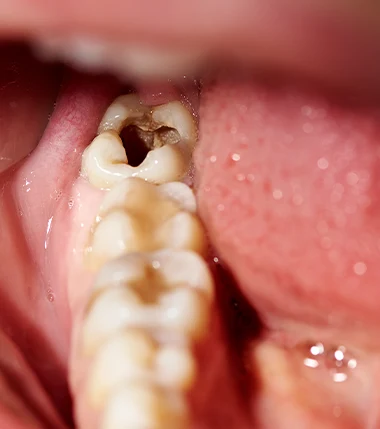
Dental caries
The enemy of your smile, caused by bacteria and poor hygiene. Prevention is the key.
Tooth sensitivity
Discomfort, pain caused by extreme temperatures or sweet foods.

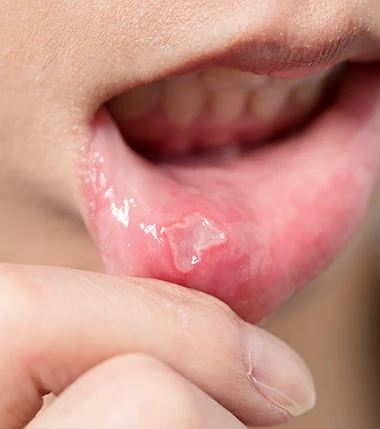
Mouth ulcers
Painful ulcers, caused by stress or acidic foods.
Bruxism
Grinding of the teeth, often at night, causing wear and tear and pain. Seek professional advice.

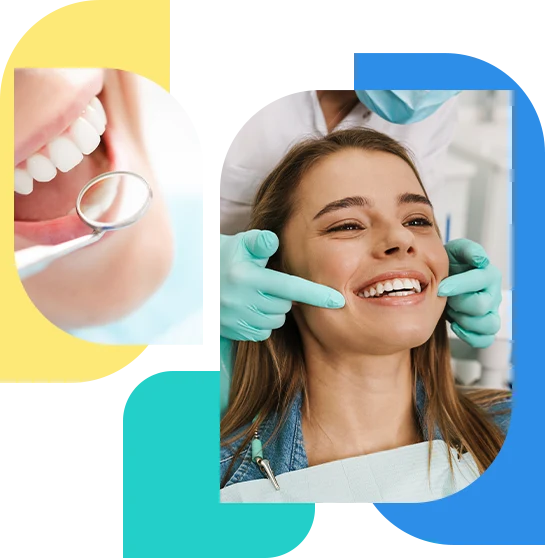
Dental practice
Why regular visits to the dentist are important
Signs of a dental emergency
A dental emergency can be identified thanks to a number of symptoms: intense and unbearable pain, swelling, bleeding, broken teeth or teeth that have been knocked out of place. It is recommended that you seek medical attention from a dentist, such as dentiste-tanson.lu, to avoid further complications and maintain your oral health. Never neglect an acute dental problem, as this could lead to serious consequences.
Dental pain
How to relieve the pain of wisdom teeth?
To relieve wisdom teeth pain, adopt home remedies: cold or hot compress, salt water mouthwash, clove or essential oils. Avoid hard foods and see your dentist for a thorough examination to know if an extraction is necessary. Take care of your mouth during this delicate phase.
Protect your smile
All you need to know about healthy teeth
Practice daily oral hygiene with brushing, flossing and mouthwash. Visit the dentist regularly for check-ups and proper care. Eat a balanced diet, rich in calcium and vitamins to strengthen enamel. Avoid foods that are too sweet or acidic. Maintaining healthy teeth is an investment in a radiant smile and overall health.
Follow a healthy diet
A healthy diet includes fruits, vegetables, and dairy products rich in calcium and vitamins for strong, healthy teeth.
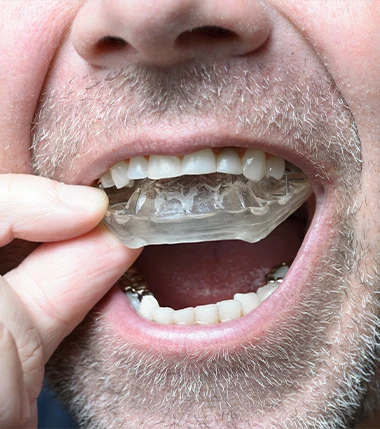
Choose the right mouthguard
Choosing the right mouthguard: select the right size and material for optimal comfort and protection.
The different dental restoration options
Choosing the best one for you
Dental restoration: fillings, crowns, bridges, implants, veneers. Explore the options and talk to your dentist to choose the best solution that suits your needs.

Dental implants

Dental crowns

Dental bridges

Dental Specialties
Dental specialties for a perfect smile: go for orthodontics with treatments such as braces or invisible aligners. Correct dental alignment problems, improve your appearance and gain confidence. Invest in a harmonious and shiny smile.
Radiant Smile
Tips and tricks for a brighter smile
For a brighter smile, follow a strict oral hygiene routine, eat a healthy diet, avoid staining foods and beverages, use approved whitening products and visit your dentist regularly for check-ups and treatment. A radiant smile is within everyone’s reach!
Lighten the colour, brighten the smile, aesthetic treatment.
Tooth whitening
Volume, hydration, aesthetic treatments, refreshed smile.